


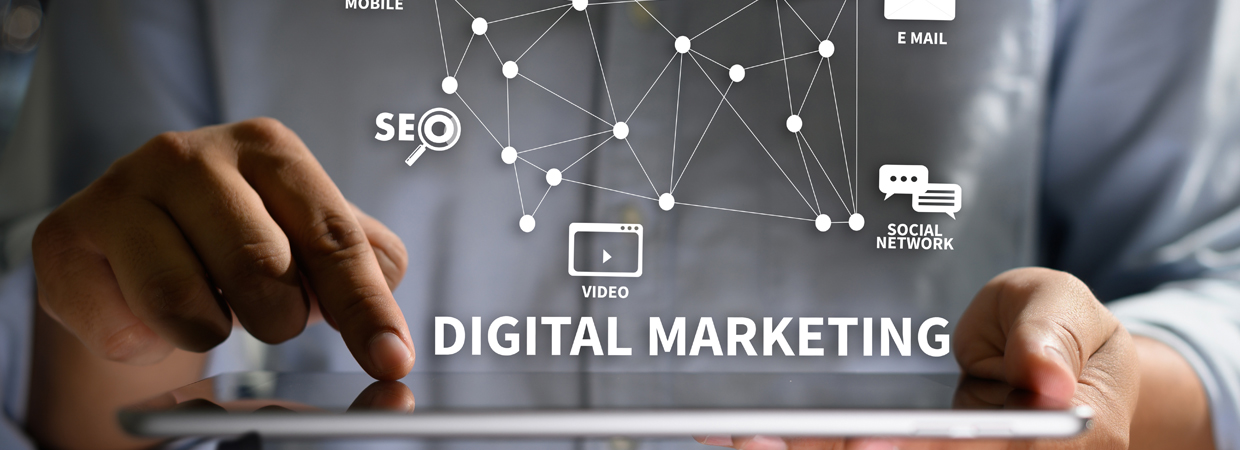
In today’s hyper-connected lifestyle, it’s becoming difficult, if not impossible, to do without digital marketing to grow a company’s business.
The majority of households, at least in developed countries, are constantly connected to the Internet. This digital method generates more customers, satisfies them and builds loyalty.
Preparing a tailor-made strategy is also invaluable for attracting leads and standing out from the competition. But what is digital marketing? The answer in this guide.
Definition of Digital Marketing
Digital marketing encompasses all marketing activities that use digital media and channels to sell products or services, promote a brand or publicize an activity to Internet users.
This concept is generally based on interactivity, thanks to the development of the Internet and connected objects.
In most cases, marketing leverage is based on a large conversion tunnel.
This means finding ways to reach consumers long before they know about your products or brand, or have committed to any purchase.
The aim is to increase site visits, encourage visitors to buy, attract customers and build loyalty with a series of regular actions. The ultimate aim is to boost sales.
 The benefits of digital communication
Marketing strategy is an essential step in the success of your online business. There are many tangible advantages to using the digital channel.
In fact, digital marketing enables you to access a large-scale market, convert customer relations, enhance your brand image, differentiate yourself from the competition, and so on.
It also gives you the opportunity to take advantage of communication tools at lower cost, to stay in constant touch with your consumers, especially revolutionized customers, and above all to be able to measure the effectiveness of actions undertaken. Not to mention the fact that this technique is quick and easy to implement, and even better, to optimize.
How to do digital marketing?
Digital marketing deploys a wide range of strategies to achieve specific objectives.
These include website creation, e-mailing, web brochures, infographics, social networks, e-books, applications for tablets and smartphones, podcasts and more.
This requires a variety of campaign tools, such as search-engine-optimized content, commercial e-mails, affiliation, digital advertising, SMS/MMS, cost-per-click, competitions, partnerships and so on.
All you need to do is carry out a market study, define your objectives and buyers personas, and then choose the appropriate digital marketing tool.